

About Marion
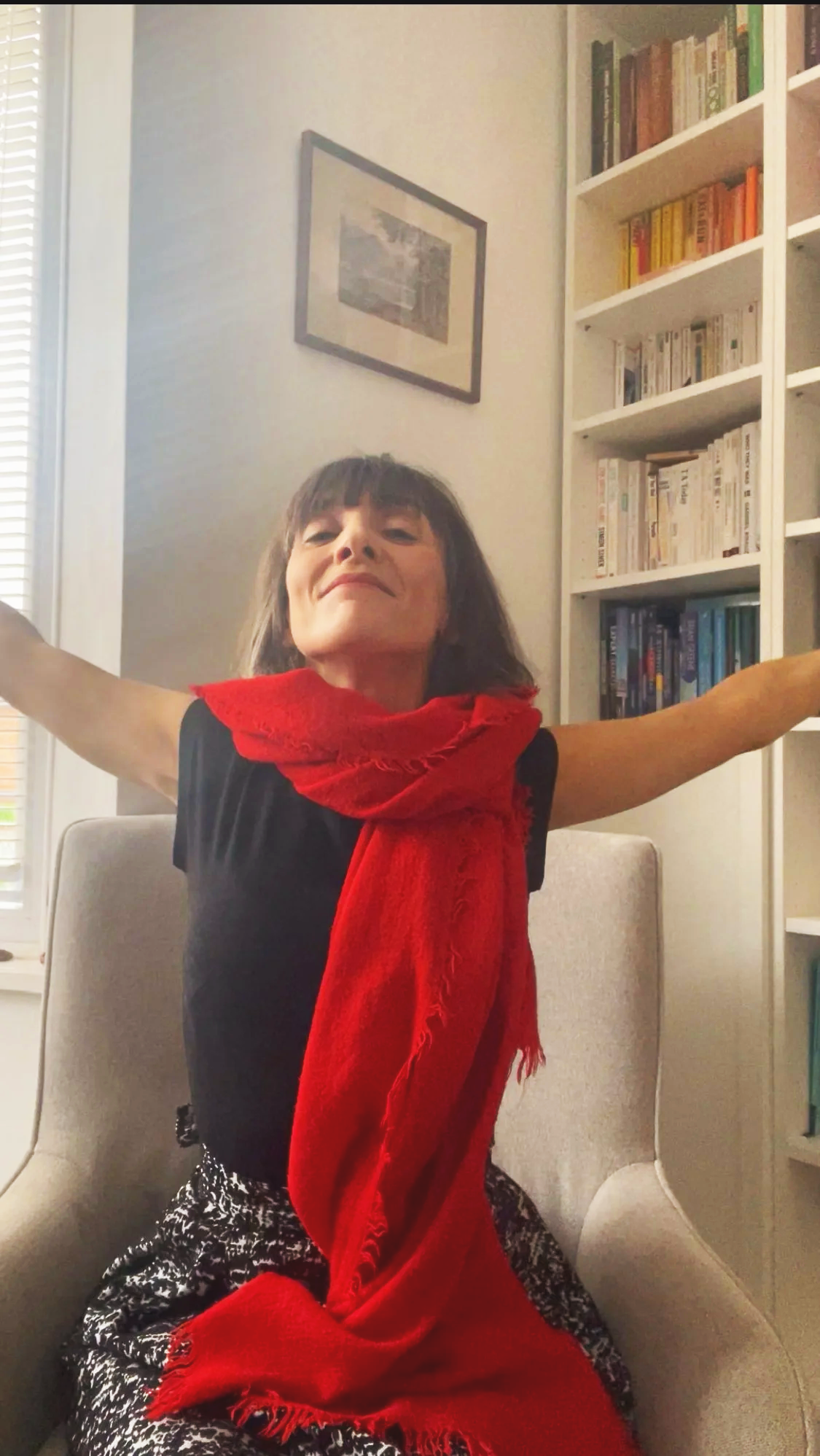
What fascinates me most about psychology is how our experiences, conditioning and physiology shape who we become. Our minds and bodies adapt to protect us, but sometimes these patterns continue long after they’re needed.
I’m interested in what keeps these patterns going, and what helps us genuinely change them—not just understand them. For me, therapy is about creating new ways of responding that can be felt, practised and sustained.
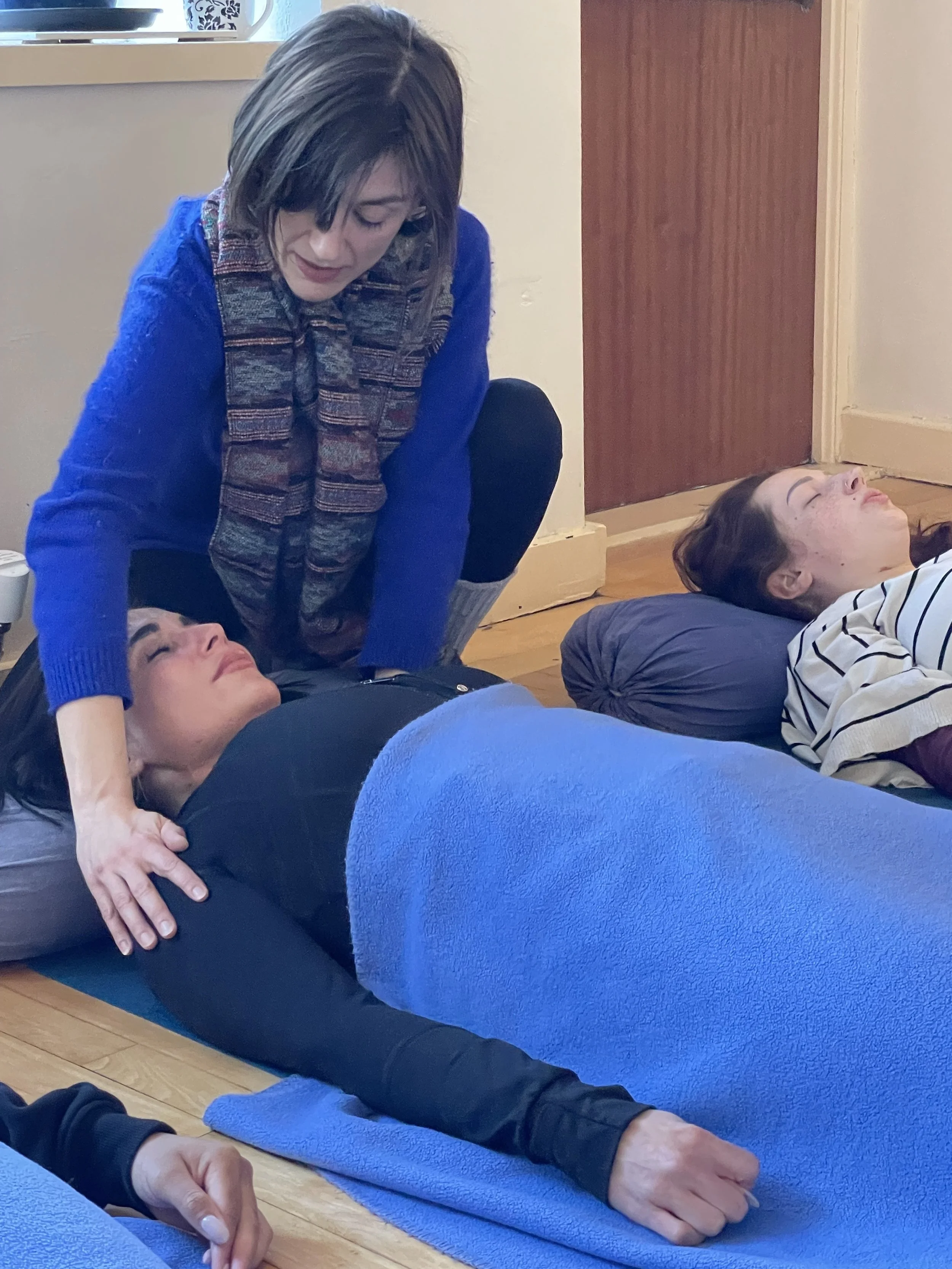
I first trained and worked as a psychologist in France before moving to the UK and continuing my clinical career here. I’ve since worked across a range of settings, including private practice, women’s refuges, hospitals, CAMHS, and addiction services.
Across these experiences, I became increasingly aware that understanding why we struggle doesn’t always mean we can change it.
Both personally and professionally, I became curious about what happens beneath our conscious thinking, our conditioning, physiology and embodied responses, and this gradually shaped the way I wanted to work.
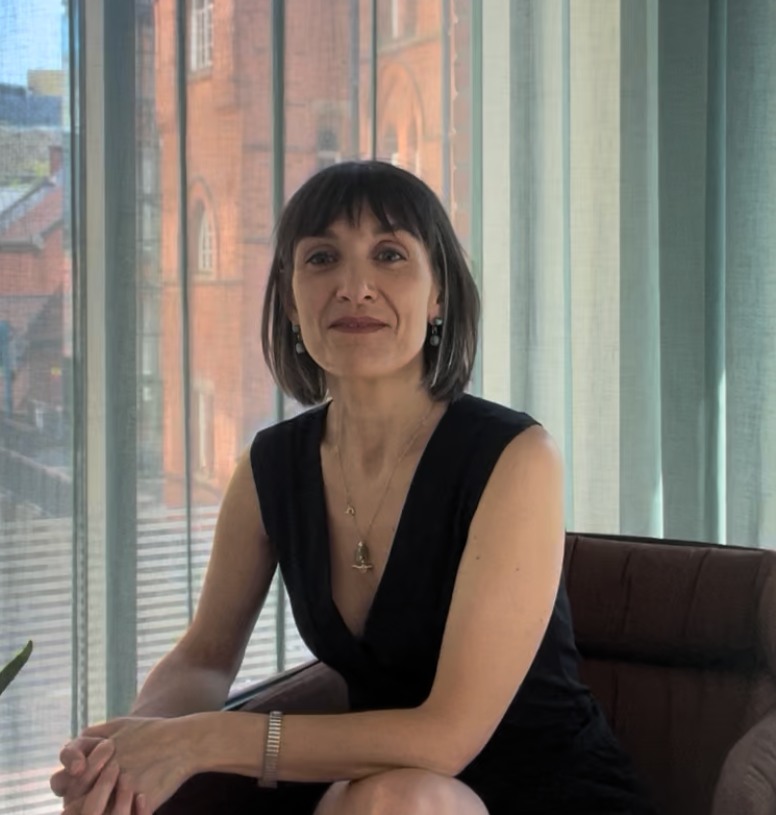
For me, the journey has been both personal and professional. I became increasingly aware of what it feels like to be on a merry-go-round: understanding our patterns, trying to change them, yet somehow finding ourselves back in the same place.
That experience made me curious about what lies beneath our usual ways of responding: our conditioning, physiology and the ways our bodies have learned to navigate the world.
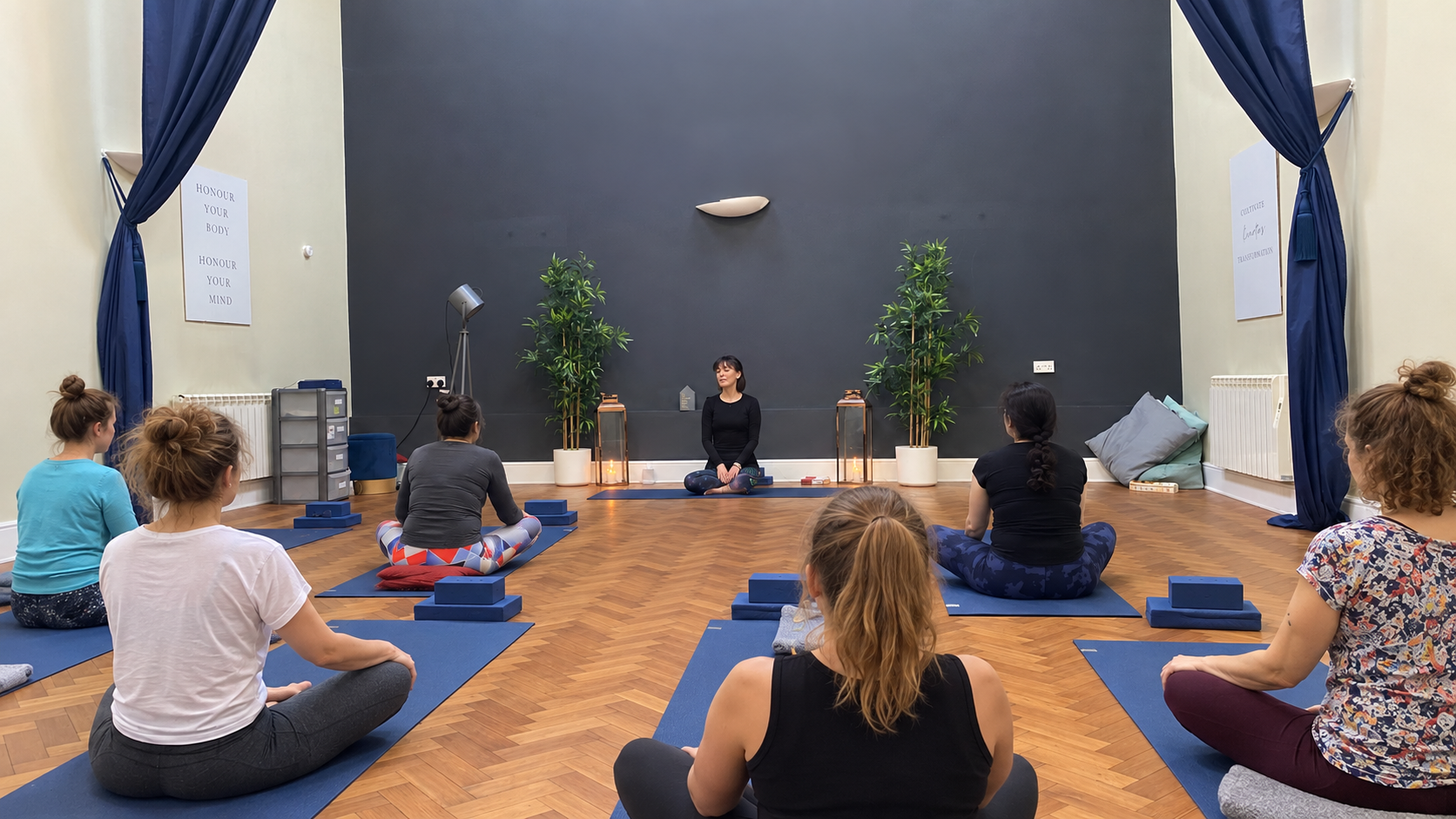
My experiences with yoga, meditation, breathwork and cold exposure deepened this curiosity, alongside my clinical work.
Over time, these different strands came together and led me towards the way I work today: helping people not only understand themselves differently, but develop the capacity to respond differently too.